-
English
- 4449454
- info@mayaestetik.com
- Etiler Nisbetiye, Başlık Sk. No:3/1 Beşiktaş/İstanbul/Turkey
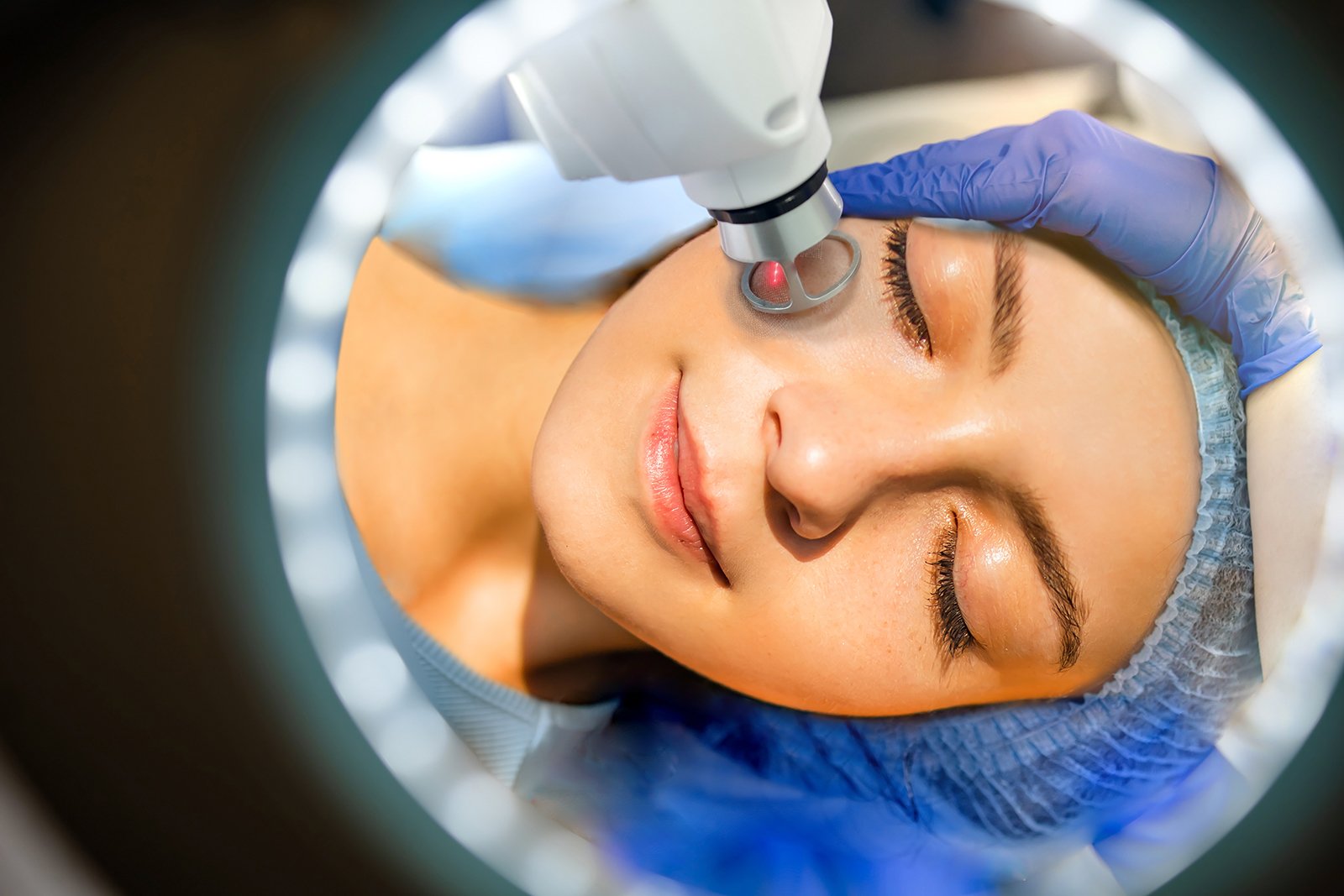
Pigmentation treatment lightens dark patches on the skin using methods chosen according to the type of pigmentation, such as laser, chemical peels, medical skin care and prescription creams. Sun spots and age spots usually lighten significantly with lasers such as the thulium laser in 3–5 sessions. Melasma (hormonal or pregnancy-related pigmentation) tends to recur and needs a more cautious, combined approach. In every case, consistent sun protection is an essential part of treatment.
At Maya Estetik, pigmentation treatment starts with a physician's examination at our Etiler clinic in Istanbul. First, the type of pigmentation is identified, because sun spots, melasma and post-acne marks may look similar but respond to different treatments. The plan is based on the type and depth of pigmentation, your skin type and the season.
| Type | Appearance and cause | Common treatments |
|---|---|---|
| Sun spots (solar lentigo) | Well-defined brown spots on the face, back of the hands and décolleté; years of sun damage | Thulium laser, pigment lasers, peels |
| Melasma | Symmetrical patches with irregular edges on the cheeks, forehead and upper lip; hormones, pregnancy, sun and heat | Sun protection, prescription creams, chemical peels, carefully selected low-energy laser |
| Post-acne marks | Brown or red marks where spots have healed | Chemical peels, medical skin care, laser |
| Freckles | Small spots on fair skin that darken in the sun | Sun protection, laser |
The thulium laser works at a wavelength of 1927 nm. It is a non-ablative fractional laser that treats the upper layers of the skin in tiny columns without removing the skin surface. By creating millimetre-sized treatment zones, it reduces the pigment load and stimulates skin renewal. Along with lightening spots, it can also improve skin texture, radiance and fine lines.
For more on the device and procedure, see our Smart Laser (Thulium Laser) page.
Important: A new spot or mole that is growing quickly, changing in colour or shape, has irregular edges, bleeds or itches may not be a cosmetic problem. Such lesions must be examined by a dermatologist before any laser treatment. For mole assessment, see our mole treatments page.
The cost depends on the method chosen, the treatment area and the number of sessions. Under Turkish Ministry of Health regulations, prices for healthcare services are not published on websites. A personalised plan and cost are shared after your consultation.
Sun spots usually lighten significantly with thulium laser in 3–5 sessions. Melasma requires longer, combined treatment and ongoing sun protection.
Sun spots can reappear in the same or new areas without sun protection. Melasma tends to recur due to hormonal and environmental factors. Regular sun protection and skin care are key to maintaining results.
Autumn and winter, when the sun is less intense, are preferred for laser and peels. With proper sun protection, some treatments can be done all year round; this is decided at the consultation.
Laser alone is not the first choice for melasma and can darken it if the wrong settings are used. Low-energy laser may be used alongside sun protection, prescription creams and peels when the physician considers it appropriate.
Most people return to daily life within 1–3 days. The redness and dark dots in the first days should not be covered with make-up until they have flaked off; follow your physician's advice.
They can be enough for mild, superficial pigmentation. For deep or widespread pigmentation, creams work better combined with laser and peels. Prescription creams should be used under medical supervision.
Yes, but the laser type and energy settings are chosen carefully to reduce the risk of pigment changes. This is assessed at the consultation.
Let's plan the right treatment for you at your consultation. For questions and appointments, message us on WhatsApp or call us.
WhatsApp: +90 532 301 99 52 · Phone (within Turkey): 444 9 454 · Maya Estetik Etiler, Istanbul · Directions
Medical review: This page has been reviewed by Dr. Nihat Dik, founding physician of Maya Estetik. Dr. Dik graduated from Istanbul University, Istanbul Faculty of Medicine in 1997, trained in medical aesthetics in Germany and has been performing medical aesthetic treatments at Maya Estetik since 2004.
This page is for general information and does not replace a medical consultation. The right treatment for you is decided by a physician after examination.